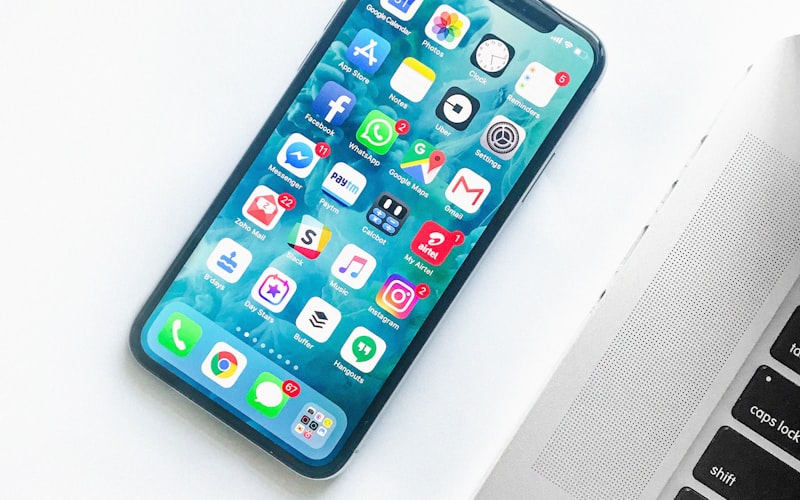
Every evening, billions of people stare into glowing screens that emit a spectrum of light their biology was never designed to encounter after sunset. This light, rich in short-wavelength blue frequencies, sends a powerful signal to the brain: it is still daytime. The consequences for sleep, circadian rhythm, and long-term health are more significant than most people realise.
For the vast majority of human evolutionary history, the only source of light after dark was fire. Firelight is rich in long-wavelength red and amber tones and contains virtually no blue light. The human circadian system evolved to use the presence or absence of blue-enriched light as its primary cue for synchronising the internal biological clock with the external day-night cycle. The invention of electric lighting disrupted this ancient relationship. The proliferation of LED screens has amplified the disruption to an unprecedented degree.
Understanding how light, particularly blue light, interacts with the circadian system is essential for anyone seeking to protect their sleep quality, cognitive function, metabolic health, and long-term wellbeing. The science is clear, the mechanisms are well understood, and the practical solutions are straightforward. What remains is the willingness to act on what we know.
1. The Light Spectrum and Melanopsin Receptors
Visible light spans a range of wavelengths from approximately 380 nanometres at the violet end to 700 nanometres at the red end. Blue light occupies the portion of the spectrum between approximately 450 and 495 nanometres. Within this range, the wavelengths between 460 and 480 nanometres are of particular biological significance because they correspond to the peak sensitivity of a specialised class of photoreceptors in the human retina called intrinsically photosensitive retinal ganglion cells.
These cells, discovered in the early 2000s, contain a photopigment called melanopsin that is distinct from the rhodopsin and cone opsins used for image-forming vision. Melanopsin-containing cells do not contribute meaningfully to what you consciously see. Instead, they serve a non-visual function: they detect the ambient light environment and relay that information directly to the suprachiasmatic nucleus in the hypothalamus, the master circadian pacemaker that synchronises virtually every biological rhythm in the body.
The suprachiasmatic nucleus uses this light information to calibrate the body's internal clock to the external 24-hour cycle. When melanopsin detects blue-enriched light, it signals that it is daytime, promoting alertness, suppressing melatonin production, and activating daytime physiological processes. When blue light is absent, the suprachiasmatic nucleus interprets this as darkness, initiating the cascade of hormonal and neural signals that prepare the body for sleep.
480nm
Peak sensitivity wavelength of melanopsin receptors
7h+
Average daily screen time for adults globally
58%
Melatonin suppression from 2 hours of evening screen use
2. Blue Light and Melatonin Suppression
Melatonin is a hormone produced by the pineal gland in the brain, and its secretion follows a tightly regulated circadian rhythm. Under normal conditions, melatonin levels begin to rise approximately two hours before habitual bedtime, a period known as the dim light melatonin onset. This rise signals the body to prepare for sleep: core body temperature drops, heart rate declines, metabolic activity shifts toward restoration, and subjective sleepiness increases.
Blue light exposure in the evening powerfully suppresses this melatonin rise. Research has demonstrated that even moderate levels of blue-enriched light, equivalent to the output of a typical smartphone or tablet held at normal viewing distance, can suppress melatonin production by 50 percent or more when viewed for two hours before bedtime. The degree of suppression is dose-dependent, meaning brighter screens, closer viewing distances, and longer exposure durations all amplify the effect.
Melatonin Suppression by Light Wavelength
Melatonin suppression peaks sharply at wavelengths between 460 and 480 nanometres, corresponding to the blue portion of the visible spectrum. Longer wavelengths (green, yellow, red) have progressively less impact on melatonin production.
The consequences of suppressed melatonin extend beyond simply feeling less sleepy. Melatonin is a powerful antioxidant that protects against oxidative stress. It modulates immune function, with evidence suggesting it enhances natural killer cell activity and regulates inflammatory responses. It influences glucose metabolism and insulin sensitivity. And it plays a role in DNA repair processes that occur during sleep. Chronic melatonin suppression from habitual evening blue light exposure is therefore not merely a sleep problem. It is a systemic health concern.
Two hours of evening exposure to a typical backlit tablet screen at maximum brightness has been shown to delay the onset of melatonin production by approximately 90 minutes and reduce total melatonin output by over 50 percent compared to reading a printed book under dim light.
3. Screen Time and Sleep Onset Latency
Sleep onset latency, the time it takes to fall asleep after getting into bed, is one of the most directly affected metrics when blue light exposure occurs in the evening. Studies consistently demonstrate that screen use in the hour before bed extends sleep onset latency by 20 to 45 minutes on average, with the magnitude depending on screen brightness, content engagement level, and individual sensitivity.
The mechanism involves not only melatonin suppression but also cognitive and emotional arousal. Social media, news feeds, video content, and interactive applications stimulate the prefrontal cortex and activate reward circuits in ways that oppose the neural quieting required for sleep onset. The combination of photonic stimulation through blue light and cognitive stimulation through engaging content creates a double barrier to falling asleep.
Evening Screen Time vs Sleep Onset Latency
Sleep onset latency increases progressively with evening screen time. Individuals who used screens for three or more hours before bed took more than four times as long to fall asleep compared to those with no evening screen exposure.
Longitudinal studies in adolescents and young adults have found that each additional hour of daily screen time is associated with approximately 10 to 15 minutes of delayed sleep onset and 15 to 20 minutes of reduced total sleep duration. Over time, these deficits accumulate into chronic sleep debt, which has been linked to impaired academic performance, increased risk of obesity, elevated anxiety and depression scores, and reduced immune function.
4. Digital Eye Strain and Visual Health
Beyond its circadian effects, prolonged screen use produces a constellation of visual symptoms collectively known as digital eye strain or computer vision syndrome. Symptoms include dry eyes, blurred vision, headaches, neck and shoulder pain, and difficulty focusing on distant objects after extended near-work. These symptoms are reported by an estimated 50 to 90 percent of regular screen users, making digital eye strain one of the most prevalent occupational health conditions in the modern world.
The primary cause of digital eye strain is not blue light per se, but rather the sustained accommodative demand and reduced blink rate associated with near-focus screen work. When focusing on a screen, the ciliary muscles in the eye must maintain continuous contraction to keep the near image in focus. Blink rate drops from a normal 15 to 20 blinks per minute to as few as 3 to 5 blinks per minute during concentrated screen use, leading to tear film instability and dry eye symptoms.
The role of blue light in visual discomfort is a subject of ongoing scientific debate. Some studies suggest that short-wavelength light increases intraocular scatter, producing a subtle glare effect that contributes to visual fatigue. Others propose that blue light-induced phototoxicity to retinal cells may play a role in age-related macular degeneration over decades of cumulative exposure, though this hypothesis remains unconfirmed in human longitudinal studies.
5. Circadian Disruption and Metabolic Consequences
The circadian system does not merely regulate when you feel sleepy. It orchestrates the timing of virtually every physiological process in the body, including hormone secretion, immune cell trafficking, gene expression, body temperature regulation, and metabolic function. When evening blue light exposure disrupts the circadian signal, the downstream effects extend far beyond sleep.
Glucose metabolism is particularly sensitive to circadian disruption. Studies have shown that shifting the circadian clock through mistimed light exposure impairs glucose tolerance and insulin sensitivity within just a few days. Night-shift workers, who experience chronic circadian misalignment, have significantly elevated rates of type 2 diabetes, obesity, and cardiovascular disease compared to day-shift workers. While the average screen user is not working night shifts, the cumulative effect of nightly circadian signal disruption through evening blue light exposure operates through the same biological pathways.
Appetite regulation is also circadian-dependent. Leptin, the hormone that signals satiety, follows a circadian rhythm that peaks during the night. Ghrelin, the hunger hormone, rises in the morning. Disrupting this rhythm through mistimed light exposure can shift appetite patterns, increasing late-night eating and reducing morning appetite, a pattern associated with weight gain and metabolic syndrome in epidemiological studies.
Circadian disruption from chronic evening light exposure has been associated in longitudinal studies with increased risk of type 2 diabetes, cardiovascular disease, certain cancers, and mood disorders, effects that persist even when total sleep duration is held constant.
6. Blue Light Filters: How Effective Are They?
The market for blue light filtering products has exploded in recent years, including screen protectors, software-based colour temperature shifters, and glasses with amber or orange tinted lenses. The question of how effective these interventions are requires careful distinction between different claims and different products.
Software-based solutions that shift screen colour temperature toward warmer tones in the evening, such as Night Shift on Apple devices and Night Light on Windows, do reduce the proportion of blue light emitted by the screen. However, the degree of reduction varies significantly depending on the intensity setting, and even at maximum warmth, most implementations still allow substantial blue light transmission. Studies testing these features have found measurable but modest improvements in melatonin production and sleep onset latency, typically on the order of 10 to 20 percent improvement compared to unfiltered screens.
Amber-tinted glasses that physically block wavelengths below 500 nanometres are substantially more effective. In controlled trials, wearing amber glasses for two to three hours before bedtime has been shown to preserve melatonin onset timing, improve subjective sleep quality, reduce sleep onset latency, and even improve mood in some populations. However, they alter colour perception significantly, making them impractical for tasks requiring accurate colour rendering.
The most effective strategy remains the simplest: reducing total screen exposure in the evening hours. No filter can fully replicate the absence of artificial light. The goal of light hygiene is not to make screen use perfectly safe but to minimise the dose of circadian-disrupting light during the critical pre-sleep window.
7. Practical Light Hygiene for Better Sleep
Improving your light environment requires changes in both evening and morning habits. The circadian system responds to the contrast between light and dark across the full 24-hour cycle, so addressing only one half of the equation produces suboptimal results. The following strategies are supported by circadian biology research and can be implemented immediately.
- Get bright light exposure in the first hour after waking. Sunlight, which contains a strong blue component, is the most powerful circadian time cue. Morning light exposure advances the circadian clock, promotes alertness, and makes it easier to fall asleep at the appropriate time that evening. Aim for at least 15 to 30 minutes of outdoor light exposure, or use a 10,000-lux light therapy box if morning sun is unavailable.
- Dim indoor lighting progressively after sunset. Switch from overhead fluorescent or bright LED lighting to lower-intensity, warmer-toned light sources in the evening. Table lamps with warm bulbs (2700K or lower) are preferable to ceiling fixtures. This creates a gradual transition that supports the natural melatonin rise.
- Establish a screen curfew 60 to 90 minutes before bedtime. This is the single most impactful change for most people. Replace evening screen time with activities that do not involve artificial light at close range: reading a physical book, conversation, light stretching, journaling, or audio content.
- If screens are unavoidable, use layered mitigation. Enable the warmest available colour temperature setting on your device. Reduce screen brightness to the minimum comfortable level. Increase viewing distance. Wear amber-tinted glasses if possible. Each layer of mitigation reduces the total blue light dose reaching your retina.
- Make the bedroom as dark as possible. Use blackout curtains or a sleep mask to eliminate all ambient light. Even dim light exposure during sleep has been shown to elevate heart rate, reduce HRV, and impair glucose metabolism the following day. Charge devices outside the bedroom or use airplane mode to eliminate screen wake-ups.
- Be consistent with light timing. The circadian system responds most strongly to habitual patterns. Consistent timing of bright light exposure in the morning and dim light in the evening reinforces a stable circadian rhythm, improving both sleep quality and daytime alertness over time.
8. The Wearable Advantage: Tracking the Impact of Light on Your Body
The challenge with light hygiene, as with many health behaviours, is that the effects are invisible to subjective awareness in the moment. You cannot feel your melatonin being suppressed. You do not notice a circadian phase shift as it happens. The consequences only become apparent downstream, in the form of difficulty falling asleep, fragmented sleep architecture, morning grogginess, and, over time, declining metabolic and cardiovascular health.
Wearable technology bridges this gap by providing objective, continuous physiological data that reflects the impact of your light environment on your body. Heart rate variability, measured overnight, is a sensitive indicator of circadian alignment and sleep quality. Resting heart rate trends reveal whether the autonomic nervous system is recovering adequately. Sleep staging algorithms can detect changes in deep sleep proportion and REM latency that correlate with evening light exposure patterns.
At IBT Aura, the Aura Clarus platform is designed to integrate these signals into a coherent picture of circadian health. By tracking how your evening behaviours, including light exposure, screen time, and pre-sleep routines, affect your overnight physiology, Aura Clarus aims to provide personalised feedback that helps you understand which habits support your circadian rhythm and which undermine it. The goal is not to eliminate technology from your life but to give you the data you need to use it wisely.
Light is the most powerful environmental input your biology receives. For millions of years, it was perfectly synchronised with the rhythms of the earth. In the span of a single century, that synchronisation has been shattered. Restoring it, even partially, may be one of the simplest and most consequential things you can do for your health.
This article is published by IBT Aura Private Limited for educational and informational purposes only. It does not constitute medical advice. Consult a qualified healthcare professional before making any health-related decisions.