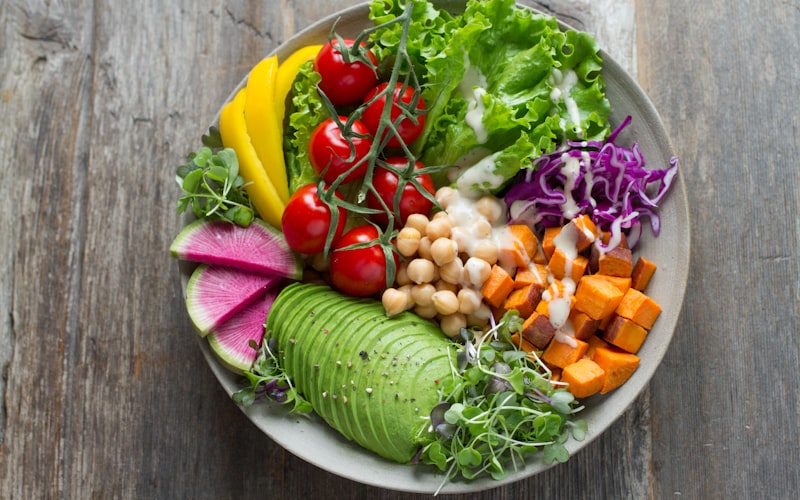
Your gut is not merely a digestive organ. It is a vast, living ecosystem of trillions of microorganisms that communicates directly with your brain, influencing your mood, your cognition, your stress response, and your susceptibility to mental illness. This communication network, known as the gut-brain axis, is reshaping how science understands the relationship between body and mind.
For centuries, Western medicine drew a firm line between the brain and the belly. The brain was the seat of thought, emotion, and consciousness. The gut was plumbing. That distinction is now collapsing under the weight of evidence. Researchers have discovered that the gastrointestinal tract houses its own independent nervous system containing over 500 million neurons, produces the majority of the body's serotonin, and maintains a constant dialogue with the central nervous system through neural, hormonal, and immunological pathways.
The implications are profound. Depression, anxiety, cognitive decline, and even neurodegenerative diseases are now being studied through the lens of gut health. What you eat, the diversity of your microbiome, and the integrity of your intestinal barrier may matter as much for your mental health as they do for your digestion.
1. The Enteric Nervous System: Your Second Brain
Embedded within the walls of your gastrointestinal tract lies the enteric nervous system, a complex mesh of over 500 million neurons that stretches from the oesophagus to the rectum. This neural network is so extensive and so autonomous that scientists have long referred to it as the second brain. Unlike any other organ system outside the skull, the enteric nervous system can operate entirely independently of the central nervous system, coordinating digestion, nutrient absorption, and gut motility without any input from the brain.
The enteric nervous system uses more than 30 different neurotransmitters, many of which are identical to those found in the brain, including serotonin, dopamine, gamma-aminobutyric acid, and acetylcholine. It generates its own reflexes, processes sensory information from the gut lining, and makes decisions about how to respond to the chemical environment inside the intestines. When you experience a gut feeling or feel butterflies in your stomach before a stressful event, you are experiencing the enteric nervous system at work.
But the second brain does not operate in isolation. It is connected to the central nervous system through the vagus nerve and through a web of hormonal and immune signalling pathways. Information flows in both directions. The brain can influence gut function, as anyone who has experienced stress-induced nausea knows. And the gut can influence brain function, affecting mood, anxiety levels, pain perception, and even decision-making.
The enteric nervous system contains more neurons than the entire spinal cord. It is the only organ system outside the brain capable of autonomous reflex activity, and it produces over 90 percent of the body's serotonin supply.
2. The Microbiome: A Living Ecosystem Within You
The human gut harbours approximately 38 trillion microorganisms, a population that slightly outnumbers the total human cells in the body. This collective community of bacteria, archaea, fungi, and viruses is known as the gut microbiome, and its composition is as unique to each individual as a fingerprint. No two people share the same microbial profile, and the diversity and balance of this ecosystem have far-reaching consequences for both physical and mental health.
The microbiome is established during the first years of life, shaped initially by the mode of birth, early feeding practices, and environmental exposures. Vaginal delivery exposes the infant to the mother's microbial flora, seeding the gut with beneficial bacteria that help train the developing immune system. Breastfeeding provides oligosaccharides that selectively nourish these beneficial species. By the age of three, the core composition of the microbiome is largely established, though it continues to shift throughout life in response to diet, medications, stress, and environmental factors.
38T
Microorganisms in the average human gut
1,000+
Distinct bacterial species identified in the human gut
70%
Of the immune system resides in the gut
A healthy microbiome is characterised by high diversity, meaning a wide range of different species coexisting in a stable balance. When diversity drops, a condition known as dysbiosis, the consequences can ripple throughout the body. Dysbiosis has been linked to inflammatory bowel disease, irritable bowel syndrome, obesity, type 2 diabetes, autoimmune disorders, and, increasingly, psychiatric conditions including major depressive disorder, generalised anxiety, and even autism spectrum disorder.
The mechanisms through which gut microbes influence the brain are multiple. They produce neurotransmitters and neuroactive compounds. They modulate the immune system, which in turn influences brain inflammation. They metabolise dietary components into short-chain fatty acids that affect brain function. And they influence the integrity of the intestinal barrier, which, when compromised, allows inflammatory molecules to enter the bloodstream and reach the brain.
3. Serotonin Production: The Gut's Greatest Chemical Contribution
Serotonin is widely regarded as one of the most important neurotransmitters in the human body. It regulates mood, appetite, sleep, memory, and social behaviour. Deficiencies in serotonin signalling are implicated in depression, anxiety disorders, obsessive-compulsive disorder, and a range of other psychiatric conditions. What surprises most people is where the majority of serotonin is actually produced.
Approximately 90 to 95 percent of the body's total serotonin is synthesised not in the brain, but in the enterochromaffin cells of the gastrointestinal tract. These specialised cells respond to signals from the gut microbiome, dietary tryptophan, and mechanical stimulation from the passage of food. The serotonin they produce plays a central role in regulating gut motility, secretion, and visceral sensitivity, but it also enters the bloodstream and participates in systemic processes including platelet function, bone metabolism, and immune regulation.
Neurotransmitter Production: Gut vs Brain
The gut produces a disproportionately large share of the body's key neurotransmitters. Serotonin production is overwhelmingly dominated by intestinal enterochromaffin cells rather than central neurons.
While gut-derived serotonin does not cross the blood-brain barrier directly, it influences brain function through several indirect pathways. It modulates vagal nerve signalling, affects circulating tryptophan availability for brain serotonin synthesis, and influences immune cell behaviour that can alter neuroinflammatory states. The gut microbiome plays a direct role in this process: specific bacterial strains, including species of Lactobacillus and Bifidobacterium, have been shown to enhance tryptophan metabolism and increase serotonin precursor availability.
Beyond serotonin, gut bacteria also produce gamma-aminobutyric acid, dopamine, norepinephrine, and acetylcholine. Certain Lactobacillus species produce GABA, the primary inhibitory neurotransmitter in the brain, which plays a central role in reducing neuronal excitability and modulating anxiety. The realisation that the gut microbiome is essentially a neurotransmitter factory has fundamentally altered the landscape of psychiatric research.
4. Gut Permeability and the Inflammatory Cascade
The intestinal barrier is a single layer of epithelial cells that separates the contents of the gut lumen from the underlying tissue and the bloodstream. This barrier must perform a paradoxical task: it must be permeable enough to absorb nutrients from digested food, yet selective enough to prevent bacteria, toxins, and undigested food particles from entering the body. When this barrier is compromised, a condition commonly referred to as increased intestinal permeability or leaky gut, the consequences extend far beyond the digestive system.
Under normal conditions, the epithelial cells of the intestinal lining are joined together by tight junction proteins that regulate what passes between cells. These junctions are dynamic structures that open and close in response to signals from the local environment. Certain factors can weaken them: chronic stress increases cortisol production, which degrades tight junction integrity. Processed foods, excessive alcohol consumption, non-steroidal anti-inflammatory drugs, and microbial dysbiosis all contribute to barrier breakdown.
When the intestinal barrier becomes excessively permeable, lipopolysaccharides and other bacterial endotoxins leak into the bloodstream. This triggers a systemic immune response, elevating circulating levels of pro-inflammatory cytokines including interleukin-6, tumour necrosis factor-alpha, and interleukin-1 beta. These inflammatory molecules can cross the blood-brain barrier, activate microglial cells in the brain, and initiate neuroinflammatory processes that have been directly linked to depression, cognitive impairment, and neurodegenerative disease.
Chronic low-grade inflammation originating from a compromised intestinal barrier is now considered a plausible biological mechanism underlying treatment-resistant depression, with multiple clinical trials exploring gut-targeted therapies as adjuncts to standard psychiatric treatment.
5. The Vagus Nerve: A Bidirectional Communication Highway
The vagus nerve is the longest cranial nerve in the body, extending from the brainstem to the abdomen and innervating virtually every major organ along the way, including the heart, lungs, and the entire gastrointestinal tract. It is the primary physical conduit of the gut-brain axis, carrying approximately 80 percent of its fibres in the afferent direction, meaning from the gut to the brain, rather than the other way around. The gut, in other words, talks to the brain far more than the brain talks to the gut.
Vagal afferent neurons in the gut wall respond to mechanical stretch, chemical signals from the lumen, and molecules produced by the microbiome. They relay information about the state of the gut environment directly to the nucleus tractus solitarius in the brainstem, which then distributes signals to higher brain regions involved in mood regulation, stress response, and interoceptive awareness, including the amygdala, the hypothalamus, and the prefrontal cortex.
This pathway explains why gut health can have such rapid and profound effects on emotional states. In animal studies, severing the vagus nerve completely eliminates many of the behavioural effects produced by probiotic supplementation, confirming that the vagus is the critical communication channel. In humans, vagus nerve stimulation is already an approved treatment for drug-resistant epilepsy and treatment-resistant depression, further underscoring its central role in brain function.
Vagal tone, which reflects the activity level of the vagus nerve, can be measured indirectly through heart rate variability. Higher vagal tone is associated with greater emotional regulation, better stress recovery, and lower levels of systemic inflammation. Practices that stimulate vagal activity, including slow breathing exercises, cold water exposure, meditation, and singing, have been shown to improve both HRV and self-reported measures of psychological wellbeing.
6. Probiotics, Psychobiotics, and Mental Health
The growing understanding of the gut-brain axis has given rise to a new category of therapeutic agents known as psychobiotics, defined as live organisms that, when ingested in adequate amounts, produce a health benefit in patients suffering from psychiatric illness. While the field is still young, the evidence is accumulating rapidly and several bacterial strains have shown promising results in clinical trials.
Lactobacillus rhamnosus has been shown in preclinical studies to reduce anxiety-like and depression-like behaviour through a mechanism that depends on intact vagal nerve signalling. Bifidobacterium longum has demonstrated the ability to reduce cortisol reactivity and self-reported psychological distress in healthy volunteers. Combinations of Lactobacillus helveticus and Bifidobacterium longum have been associated with reduced scores on depression and anxiety rating scales in multiple human trials.
Microbiome Diversity Score and Its Impact on Mood
Population studies consistently show a positive correlation between gut microbial diversity (measured by Shannon Index) and self-reported mood scores. Lower diversity is associated with higher prevalence of depressive symptoms.
The mechanisms are varied. Some psychobiotic strains work by modulating the hypothalamic-pituitary-adrenal axis, reducing cortisol production and dampening the physiological stress response. Others work by producing short-chain fatty acids, particularly butyrate, which strengthens the intestinal barrier, reduces systemic inflammation, and may directly influence brain function through epigenetic mechanisms. Still others produce neurotransmitters or their precursors, directly altering the neurochemical landscape of the gut and, by extension, the brain.
It is important to note that not all probiotics are psychobiotics. The effects are strain-specific, dose-dependent, and context-sensitive. A probiotic that benefits digestive symptoms may have no effect on mood, and vice versa. The field is moving toward precision approaches that match specific bacterial strains to specific psychiatric conditions based on individual microbiome profiles.
7. Dietary Strategies for Optimising the Gut-Brain Connection
Of all the modifiable factors that influence the gut-brain axis, diet is the most powerful and the most immediate. What you eat determines which bacterial species thrive in your gut, how much short-chain fatty acid is produced, whether your intestinal barrier remains intact, and how much systemic inflammation your body generates. Dietary patterns that support microbial diversity and barrier integrity have been consistently associated with better mental health outcomes in epidemiological studies.
- Prioritise dietary fibre diversity. Different species of gut bacteria ferment different types of fibre. Eating a wide range of plant foods, including vegetables, fruits, legumes, whole grains, nuts, and seeds, promotes microbial diversity far more effectively than taking a single prebiotic supplement. Aim for 30 or more different plant species per week, a target associated with significantly higher microbiome diversity in large-scale population studies.
- Include fermented foods daily. Yoghurt, kefir, sauerkraut, kimchi, miso, tempeh, and kombucha introduce live beneficial bacteria into the gut and have been shown to reduce markers of systemic inflammation. A 10-week dietary intervention increasing fermented food intake significantly increased microbial diversity and decreased inflammatory protein levels in a controlled human trial at Stanford University.
- Consume prebiotic-rich foods. Prebiotics are non-digestible compounds that selectively feed beneficial gut bacteria. Rich sources include garlic, onions, leeks, asparagus, bananas, oats, and Jerusalem artichokes. Fructooligosaccharides and galactooligosaccharides are among the most studied prebiotics, and both have been shown to increase Bifidobacterium populations and improve measures of emotional wellbeing.
- Increase omega-3 fatty acid intake. Found abundantly in fatty fish, flaxseeds, chia seeds, and walnuts, omega-3 fatty acids have anti-inflammatory properties that support both gut barrier integrity and brain health. They have been shown to increase the abundance of butyrate-producing bacteria and reduce neuroinflammation in both animal and human studies.
- Limit ultra-processed foods. Diets high in refined sugar, artificial sweeteners, emulsifiers, and processed seed oils have been shown to reduce microbial diversity, increase intestinal permeability, and promote the growth of inflammatory bacterial species. The Western dietary pattern, characterised by high sugar and low fibre, is consistently associated with poorer mental health outcomes across cultures.
- Incorporate polyphenol-rich foods. Polyphenols found in berries, dark chocolate, green tea, red wine, and extra virgin olive oil serve as substrates for beneficial gut bacteria and have demonstrated both anti-inflammatory and neuroprotective properties. Many polyphenols are poorly absorbed in the small intestine and reach the colon intact, where they are metabolised by the microbiome into bioactive compounds.
The Mediterranean diet, rich in fibre, fermented foods, omega-3 fatty acids, and polyphenols, has been shown in randomised controlled trials to reduce depression scores by a clinically significant margin compared to standard dietary advice, with gut microbiome changes identified as a key mediating mechanism.
8. The Future of Gut-Brain Science and Wearable Monitoring
The gut-brain axis represents one of the most rapidly advancing frontiers in biomedical science. As our understanding of the microbiome deepens, new therapeutic approaches are emerging that target the gut as a pathway to the brain. Faecal microbiota transplantation is being investigated for psychiatric applications. Precision psychobiotics tailored to individual microbiome profiles are in development. Dietary interventions designed to modulate specific microbial metabolites are being tested in clinical trials for depression, anxiety, and cognitive decline.
The next critical step is real-time monitoring. Just as wearable devices transformed our understanding of heart rate variability and sleep architecture, emerging biosensor technologies are beginning to capture physiological markers that reflect gut-brain axis function. Continuous HRV monitoring, for instance, serves as an indirect window into vagal tone and autonomic balance, both of which are profoundly influenced by gut health. Changes in HRV patterns can signal shifts in inflammatory status, stress reactivity, and parasympathetic function that may originate from gut-level disruptions.
At IBT Aura, the Aura Clarus platform is designed to capture these subtle physiological signals continuously and translate them into actionable insights. By tracking the interplay between autonomic function, stress markers, sleep quality, and activity patterns, Aura Clarus aims to provide a holistic view of health that acknowledges what science now makes clear: the brain and the gut are not separate systems. They are one integrated network, and understanding it requires listening to the entire body, not just the organ inside the skull.
The conversation between your gut and your brain never stops. Every meal, every stressful event, every night of poor sleep shifts the balance. The question is not whether this conversation is happening. It is whether you are equipped to understand what it is saying.
This article is published by IBT Aura Private Limited for educational and informational purposes only. It does not constitute medical advice. Consult a qualified healthcare professional before making any health-related decisions.