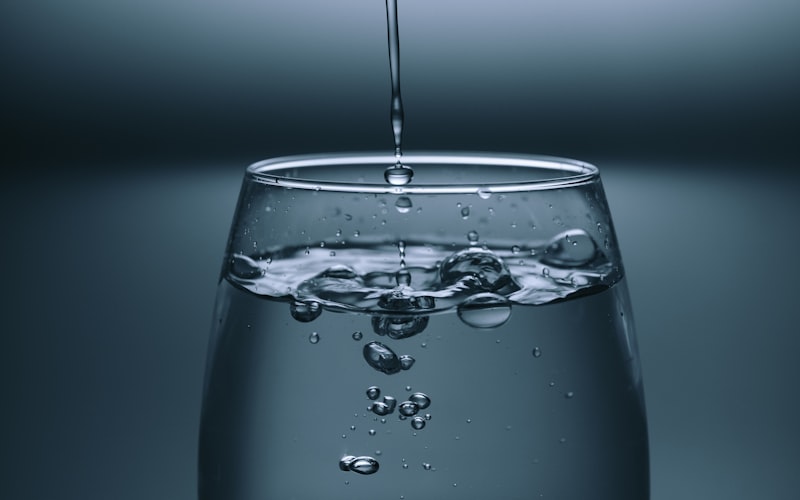
Water constitutes approximately 60 percent of the adult human body. It is the medium in which every biochemical reaction occurs, the solvent that carries nutrients to cells, and the thermoregulatory fluid that prevents your body from overheating. Yet despite its fundamental importance, hydration remains one of the most misunderstood aspects of human health.
The popular advice to drink eight glasses of water per day has persisted for decades despite having no rigorous scientific basis. The original recommendation, often attributed to a 1945 report by the United States National Research Council, actually suggested that most of this water intake would come from food. The eight-glass rule became a cultural shorthand that oversimplified a deeply individual physiological need. Your optimal hydration depends on your body mass, metabolic rate, activity level, climate, diet composition, and a host of other factors that no single number can capture.
What the science does tell us, with considerable certainty, is that even mild dehydration, defined as a loss of just 1 to 2 percent of body water, produces measurable declines in cognitive performance, physical endurance, mood, and cardiovascular efficiency. Understanding how water works in the body, how dehydration progresses, and how to develop a genuinely personalised hydration strategy is essential for anyone who takes their health seriously.
1. Water's Role in Cellular Function
Every cell in the human body depends on water. At the most fundamental level, water serves as the solvent for intracellular biochemistry, providing the medium in which enzymes catalyse reactions, proteins fold into their functional shapes, and DNA replicates. Without adequate intracellular water, the concentration of solutes rises, osmotic gradients shift, and cellular processes slow or become disordered.
Water participates directly in numerous metabolic reactions. Hydrolysis reactions, which break down macromolecules including proteins, carbohydrates, and fats, require water as a reactant. The electron transport chain in mitochondria, responsible for generating the vast majority of the body's adenosine triphosphate, produces water as a byproduct and depends on a precisely maintained electrochemical gradient across membranes that is sensitive to hydration status.
Beyond individual cells, water is the primary component of blood plasma, constituting approximately 92 percent of its volume. Plasma carries oxygen-bound haemoglobin, glucose, hormones, electrolytes, and immune cells to every tissue in the body. When plasma volume decreases due to dehydration, the blood becomes more viscous, the heart must work harder to maintain circulation, and the delivery of oxygen and nutrients to tissues becomes less efficient. This is why even modest fluid loss produces cardiovascular strain detectable through elevated heart rate and reduced stroke volume.
60%
Of adult body mass is water
75%
Of the brain is composed of water
2.5L
Average daily water loss through normal function
2. The Stages of Dehydration and Their Physiological Effects
Dehydration is not a binary state. It progresses through a continuum, and the physiological consequences escalate at each stage. Understanding this progression is critical because the earliest and most common form of dehydration, mild dehydration at 1 to 2 percent body water loss, often produces no sensation of thirst at all. By the time you feel thirsty, your body has already begun to compensate for a fluid deficit.
- Mild dehydration (1-2% body water loss). Cognitive function declines measurably. Working memory, attention, and reaction time are all impaired. Mood deteriorates, with increased feelings of tension, anxiety, and fatigue. Heart rate increases by 5 to 8 beats per minute as the cardiovascular system compensates for reduced plasma volume. Physical endurance drops by approximately 10 to 15 percent.
- Moderate dehydration (3-5% body water loss). Thermoregulation becomes compromised. Core body temperature rises more rapidly during exertion. Muscle cramps and headaches become common. Concentration is significantly impaired, and cognitive errors increase substantially. Urine output decreases and becomes noticeably darker. Blood pressure may begin to drop.
- Severe dehydration (6-10% body water loss). This is a medical emergency. Symptoms include rapid heart rate, low blood pressure, sunken eyes, confusion, delirium, and potential loss of consciousness. Kidney function is compromised. Without intervention, organ damage can occur. Above 10 percent body water loss, the risk of death rises sharply.
Impact of Dehydration on Cognitive and Physical Performance
All three domains decline measurably at just 1 percent body water loss. By 2 percent, performance in each area has dropped by 10 to 25 percent. Physical endurance is the most sensitive to fluid deficit.
Research consistently shows that by the time the sensation of thirst becomes conscious, the body has typically already lost 1 to 2 percent of its total water content, meaning that cognitive and physical performance have already begun to decline before you reach for a glass of water.
3. Electrolytes: The Conductors of Cellular Communication
Water alone does not sustain hydration. The balance of dissolved electrolytes, primarily sodium, potassium, chloride, magnesium, and calcium, determines how water moves between compartments in the body, how cells maintain their electrical charge, and how nerves and muscles function. Drinking large volumes of plain water without adequate electrolyte replacement can actually worsen hydration status by diluting blood sodium concentrations, a potentially dangerous condition called hyponatraemia.
Sodium is the dominant extracellular cation and plays the primary role in regulating plasma volume. When sodium levels are adequate, the kidneys retain water appropriately and maintain blood pressure. When sodium is depleted through heavy sweating without replacement, the kidneys excrete water to maintain concentration balance, paradoxically increasing fluid loss despite adequate water intake.
Potassium is the dominant intracellular cation and is essential for nerve impulse transmission, muscle contraction, and cardiac rhythm stability. Magnesium participates in over 300 enzymatic reactions, including those involved in ATP production, protein synthesis, and neuromuscular function. Calcium is critical for muscle contraction, blood clotting, and nerve signalling. Deficiency in any of these electrolytes disrupts cellular function and can produce symptoms ranging from fatigue and cramping to arrhythmias and seizures.
For most people eating a balanced diet and engaging in moderate activity, food provides sufficient electrolytes. However, during prolonged exercise, in hot environments, during illness involving vomiting or diarrhoea, or when following restrictive diets, deliberate electrolyte replenishment becomes important. The optimal approach is not a one-size-fits-all sports drink but a strategy tailored to individual sweat rate, sweat composition, and activity duration.
4. Hydration and Cognitive Performance
The brain, despite constituting only about 2 percent of body mass, receives approximately 20 percent of cardiac output and is composed of roughly 75 percent water. It is exquisitely sensitive to changes in hydration status. Even mild dehydration at 1 to 2 percent body water loss produces measurable impairments in attention, short-term memory, psychomotor speed, and executive function.
In controlled laboratory studies, participants who were mildly dehydrated performed significantly worse on tasks requiring sustained attention, visuospatial processing, and working memory compared to their normally hydrated state. Subjective ratings of alertness, concentration, and overall mood also declined. Importantly, these effects occurred at levels of dehydration that produced no conscious sensation of thirst in many participants, particularly in older adults whose thirst mechanisms are less sensitive.
The mechanisms are multifaceted. Dehydration reduces cerebral blood flow as plasma volume decreases and blood viscosity increases. It alters the concentration of neurotransmitters and the osmolarity of the extracellular fluid surrounding neurons. It triggers the release of cortisol as the body mounts a stress response to fluid deficit. And it increases the metabolic cost of cognitive processing, meaning the brain must work harder to produce the same output.
A comprehensive meta-analysis of 33 studies found that dehydration of just 2 percent body mass impaired attention by 12 percent, degraded short-term memory by 9 percent, and increased the subjective perception of task difficulty by 18 percent, all without participants necessarily feeling thirsty.
5. Sweat Rate, Exercise, and Fluid Replacement
During physical exercise, the body generates heat as a byproduct of muscular contraction. The primary mechanism for dissipating this heat is evaporative cooling through sweat. Sweat rates vary enormously between individuals, ranging from 0.5 litres per hour in moderate conditions to over 2.5 litres per hour in elite athletes exercising in hot, humid environments. Understanding your own sweat rate is essential for developing an effective exercise hydration strategy.
Sweat is not pure water. It contains sodium at concentrations ranging from 20 to 80 millimoles per litre, with significant individual variation. Some individuals are salty sweaters, losing substantially more sodium per litre of sweat than others. This variation has practical implications: salty sweaters are at greater risk of hyponatraemia during prolonged exercise if they drink plain water without sodium replacement, and they are more likely to experience muscle cramping during extended efforts.
Daily Water Balance: Intake vs Output
In a sedentary adult under normal conditions, the body maintains a daily water balance of approximately 2,500 millilitres. During exercise or in hot environments, sweat losses can add 500 to 2,500 millilitres per hour, dramatically shifting the balance.
The American College of Sports Medicine recommends pre-hydrating with 5 to 7 millilitres per kilogram of body weight at least four hours before exercise, consuming fluid at a rate guided by individual sweat rate during exercise, and replacing 125 to 150 percent of fluid lost during exercise in the recovery period. For efforts lasting longer than 60 to 90 minutes, sodium-containing fluids are preferred over plain water to maintain electrolyte balance and enhance intestinal absorption.
6. Wearable Hydration Tracking and Physiological Signals
One of the most significant challenges in hydration science has been the lack of a practical, real-time method for assessing hydration status outside of a laboratory. Traditional measures, including urine specific gravity, blood osmolality, and body mass changes, require either laboratory equipment or are impractical for continuous monitoring during daily life or exercise.
Wearable technology is beginning to change this. While no consumer wearable currently measures hydration directly, several physiological signals captured by modern devices serve as reliable indirect indicators of hydration status. Heart rate variability, resting heart rate, skin temperature, and electrodermal activity all respond to changes in fluid balance, and algorithms are being developed to integrate these signals into composite hydration assessments.
Heart rate variability is particularly informative. Dehydration activates the sympathetic nervous system, reduces plasma volume, and increases cardiac workload, all of which suppress HRV. Studies have shown that HRV declines measurably at fluid losses as small as 1.5 percent of body mass, making it one of the most sensitive non-invasive indicators of early dehydration. Wearable devices that track HRV continuously can detect these shifts in real time, providing users with an early warning system for fluid deficit before symptoms appear.
Skin temperature and its circadian variation also reflect hydration status. Dehydrated individuals show altered skin temperature patterns because reduced blood volume limits the body's ability to distribute heat effectively. Combining skin temperature data with heart rate and HRV creates a multivariate signal that, when processed through machine learning models, can estimate hydration status with increasing accuracy.
7. Personalised Hydration Strategies: Beyond Generic Guidelines
The most important insight from modern hydration science is that optimal fluid intake is deeply individual. Body size, metabolic rate, activity level, ambient temperature, humidity, altitude, dietary sodium intake, caffeine consumption, medication use, and even genetic variation in aquaporin expression all influence how much water your body needs and how efficiently it retains it.
- Calculate your baseline needs. A reasonable starting point is 30 to 40 millilitres per kilogram of body weight per day for a sedentary adult in a temperate climate. A 70-kilogram person would need approximately 2,100 to 2,800 millilitres daily. This is a baseline, not a ceiling.
- Measure your sweat rate during exercise. Weigh yourself before and after a one-hour exercise session, accounting for any fluid consumed during the session. Each kilogram of weight lost represents approximately one litre of sweat. Repeat this in different conditions to build a personal sweat rate profile.
- Front-load your intake. Consume a significant portion of your daily water in the morning. The body is typically mildly dehydrated after sleep, and morning hydration supports cortisol regulation, cognitive sharpness, and metabolic function throughout the first half of the day.
- Monitor urine colour as a practical indicator. Pale straw-coloured urine generally indicates adequate hydration. Dark yellow or amber urine suggests insufficient fluid intake. Very clear, colourless urine may indicate overhydration. While imperfect, urine colour provides a useful daily reference.
- Adjust for environmental and situational factors. Increase intake in hot or humid weather, at altitude, during air travel, when consuming alcohol or caffeine, during illness, and during periods of high physical activity. Decrease slightly in cold environments where insensible losses are lower.
- Incorporate electrolyte-rich foods and drinks when appropriate. During prolonged exercise, illness, or heavy sweating, plain water alone is insufficient. Foods like bananas, avocados, leafy greens, and nuts provide potassium and magnesium. A pinch of salt in water or a balanced electrolyte solution supports sodium replacement.
8. The Integrated View: Hydration as a Pillar of Health Intelligence
Hydration is not an isolated variable. It interacts with virtually every other aspect of physiological health. Sleep quality degrades when dehydration triggers nocturia or alters thermoregulation. Heart rate variability declines as plasma volume drops and sympathetic tone rises. Cognitive function suffers as cerebral blood flow decreases. Exercise performance falls as the cardiovascular system struggles to maintain output. Mood deteriorates as cortisol levels rise in response to the physiological stress of fluid deficit.
This interconnectedness is precisely why a holistic approach to health monitoring matters. Tracking hydration in isolation, just as tracking sleep or HRV in isolation, provides an incomplete picture. The value emerges when these signals are integrated, when a decline in HRV can be contextualised against fluid intake, activity level, sleep duration, and environmental conditions to produce a genuinely personalised and actionable health assessment.
At IBT Aura, the Aura Clarus platform is designed to capture this integrated picture. By continuously monitoring heart rate variability, skin temperature, activity patterns, and other physiological signals, Aura Clarus aims to detect the subtle signatures of dehydration, insufficient recovery, and autonomic stress before they escalate into clinical symptoms. The goal is not to replace your sense of thirst but to augment it, providing a data-driven layer of awareness that your subjective experience alone cannot deliver.
Water is the foundation. Everything else is built on top of it. When the foundation shifts, everything above it shifts too. The question is whether you are paying close enough attention to notice.
This article is published by IBT Aura Private Limited for educational and informational purposes only. It does not constitute medical advice. Consult a qualified healthcare professional before making any health-related decisions.